
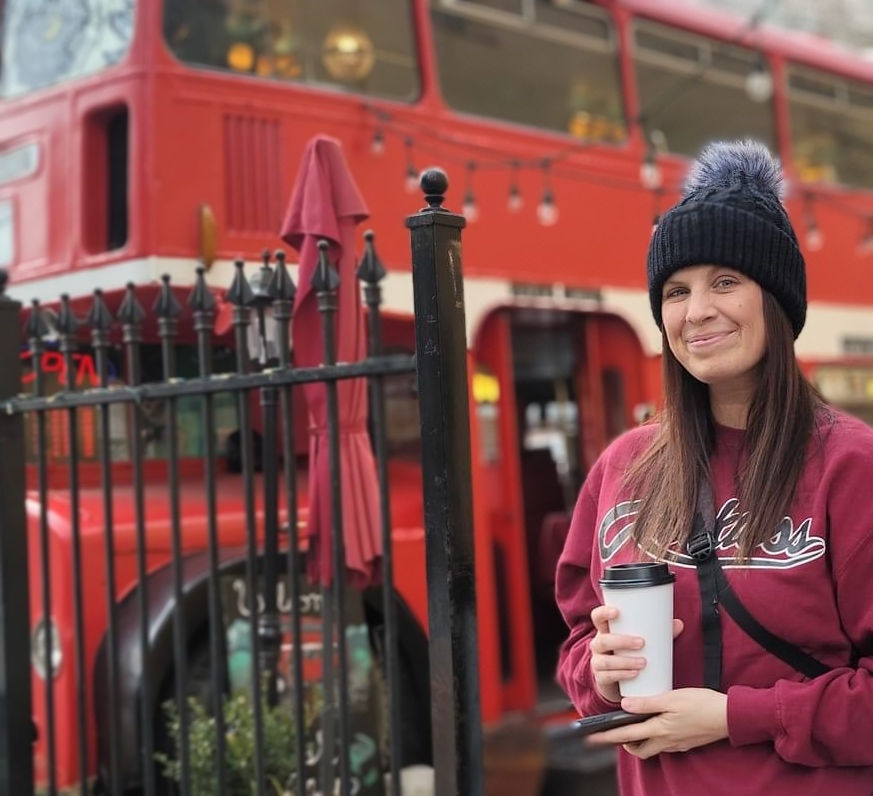
Empowering Voices in Disability Rights Advocacy
Living with a chronic illness or disability is a journey filled with unique challenges and triumphs. It’s not just about managing symptoms or navigating healthcare systems—it’s about finding your voice and using it to create change. Disability rights advocacy is more than a movement; it’s a lifeline, a community, and a powerful tool for empowerment. Today, I want to share some thoughts on how we can all amplify those voices, including my own, and why it matters so much.
Why Disability Rights Advocacy Matters
You might wonder, why put so much energy into advocacy? Well, here’s the thing: disability rights advocacy is about more than just laws and policies. It’s about dignity, respect, and access. It’s about making sure that people with disabilities are seen, heard, and valued in every corner of society.
When I first started learning about disability rights advocacy, I realized how many barriers exist—not just physical ones, but attitudinal and systemic barriers too. These barriers can make everyday life harder, from getting a job to accessing education or healthcare. Advocacy helps break down those walls.
Here’s what advocacy can do:
Raise awareness about the realities of living with a disability.
Influence policy to create more inclusive laws.
Build community so no one feels alone.
Empower individuals to speak up for their needs.
And the best part? Advocacy isn’t just for experts or activists. It’s for anyone who wants to make a difference, including you.

Disability Rights Advocacy: How to Get Involved
Getting involved in disability rights advocacy might sound intimidating, but it doesn’t have to be. You don’t need a megaphone or a platform to start making an impact. Sometimes, the smallest actions can lead to the biggest changes.
Here are some practical ways to get started:
Educate Yourself and Others
Knowledge is power. Learn about disability rights laws like the Americans with Disabilities Act (ADA) and current issues affecting the community. Share what you learn with friends, family, and coworkers.
Join or Support Advocacy Groups
Organizations focused on disability rights often welcome new members or volunteers. They provide resources, training, and a sense of belonging.
Use Your Voice
Speak up when you see discrimination or barriers. Whether it’s at work, school, or in public spaces, your voice matters.
Share Your Story
Personal stories are powerful. They humanize issues and inspire others to act. Don’t be afraid to share your experiences, challenges, and victories.
Advocate for Accessibility
Push for accessible environments—ramps, captioning, clear signage, and more. Accessibility benefits everyone, not just people with disabilities.
Remember, advocacy is a journey, not a sprint. Celebrate small wins and keep pushing forward.
Is Having a Brain Shunt a Disability?
This is a question I’ve encountered often, especially within communities dealing with hydrocephalus and related conditions. A brain shunt is a medical device implanted to relieve pressure caused by excess cerebrospinal fluid. But does having a brain shunt mean you have a disability?
The answer isn’t always straightforward. A brain shunt itself is a treatment, not a disability. However, the underlying condition requiring the shunt—like hydrocephalus—can cause disabilities that affect daily life. Some people with shunts experience symptoms like headaches, cognitive challenges, or mobility issues, while others live relatively symptom-free.
What matters most is how the condition impacts your life. Disability is about the interaction between your health and the environment. If your brain shunt or related condition limits your ability to participate fully in activities, then yes, it can be considered a disability.
This is where understanding and advocacy come in. People with brain shunts often face misconceptions or lack of awareness. That’s why communities like Shunt Happens are so important—they provide support, education, and a platform to share experiences.

Sharing Stories: The Heart of Advocacy
If there’s one thing I’ve learned, it’s that stories connect us. They break down walls of misunderstanding and build bridges of empathy. When we share our stories, we’re not just telling what happened—we’re inviting others into our world.
Here’s why sharing stories is so powerful in disability advocacy:
It humanizes issues that might otherwise seem abstract.
It challenges stereotypes and misconceptions.
It inspires others to speak up and take action.
It creates community by showing people they’re not alone.
I remember the first time I shared my story publicly. My hands were shaking, and I wasn’t sure if anyone would listen. But the response was overwhelming. People reached out, thanked me, and shared their own experiences. It was a reminder that our voices matter.
If you’re thinking about sharing your story, here are some tips:
Be honest and authentic.
Focus on your feelings and experiences.
Highlight what you want others to understand.
Remember, you control how much you share.
Your story is your power. Use it wisely.
Building a Supportive Community
Advocacy isn’t just about fighting for rights—it’s also about building a community where people feel supported and understood. Chronic illnesses and disabilities can be isolating, but connection changes everything.
Here’s how to foster a supportive community:
Create safe spaces where people can share without judgment.
Encourage peer support through groups, forums, or meetups.
Celebrate diversity within the disability community.
Promote self-advocacy so everyone feels empowered.
Communities like Shunt Happens are shining examples of this. They bring together people living with hydrocephalus, TBI, epilepsy, and other chronic illnesses to share resources, encouragement, and hope.
If you’re looking to build or join a community, start small. Reach out to one person, join an online group, or attend a local event. You’ll be surprised how quickly connections grow.
Empowering voices in disability rights advocacy is about more than just speaking up—it’s about listening, learning, and lifting each other up. Whether you’re living with a chronic illness, caring for someone who is, or simply want to be an ally, your voice matters. Together, we can create a world where everyone has the opportunity to live fully and be heard.
So, what’s your story? How will you use your voice today? Remember, shunt happens disability is just one part of a much bigger picture—and your voice is a vital piece of the puzzle.
Comments