

What Hydrocephalus Means to Me on World Hydrocephalus Day

Hydrocephalus is a word that can sound clinical until it becomes part of your life. Then it becomes appointments, scars, worry, relief, questions, strength, and the quiet skill of paying attention to your own body.
On World Hydrocephalus Day, the theme “what hydrocephalus means to me” feels both simple and impossible. Simple, because I live with its meaning every day. Impossible, because hydrocephalus is not one feeling, one story, or one neat definition.
Medically, hydrocephalus is a condition involving an abnormal buildup of cerebrospinal fluid in the brain. Personally, it is much more than that. It is a constant reminder that life can be fragile and full at the same time.
This reflection is for awareness and personal understanding only. It is not medical advice. Anyone with symptoms, concerns, or treatment questions should speak with a qualified health care professional.
Hydrocephalus means learning a new language
When hydrocephalus enters your life, you start learning words most people never need to know.
Shunt. Ventricles. Cerebrospinal fluid. Pressure. Revision. Symptoms. Imaging. Neurosurgery.


At first, the language can feel cold. It turns fear into medical terms. It can make the human part feel small. But over time, those words can also become tools. They help explain what is happening. They help ask better questions. They help turn panic into a plan.
For me, understanding hydrocephalus does not make it easy. It makes it less mysterious. There is comfort in being able to say, “This symptom matters,” or “I need to call my doctor,” or “This feels different from my usual.”
That kind of knowledge is powerful. Awareness is not just public education. It is personal safety.
Hydrocephalus means living with uncertainty
Hydrocephalus often teaches patience the hard way.
A good day can feel like a gift. A strange headache can bring worry. A small change in balance, vision, energy, or nausea can raise questions. Is this normal? Is this stress? Is this something more?
That uncertainty can be exhausting. It does not always show on the outside. Someone may look fine while carrying a long list of things they are monitoring in the background.
This is one of the hardest parts to explain. Hydrocephalus can be physical, but it can also take up mental space. It can ask people to live in a state of readiness. Not fear every minute, but awareness that never fully turns off.
And still, life goes on. People with hydrocephalus go to school, work, raise families, create art, play sports, build friendships, and dream about the future. The condition may shape the path, but it does not erase the person walking it.
Hydrocephalus means carrying invisible strength
People often praise strength when it looks dramatic. They notice the hospital stay, the surgery, the big recovery moment.
But hydrocephalus also involves quieter forms of strength.


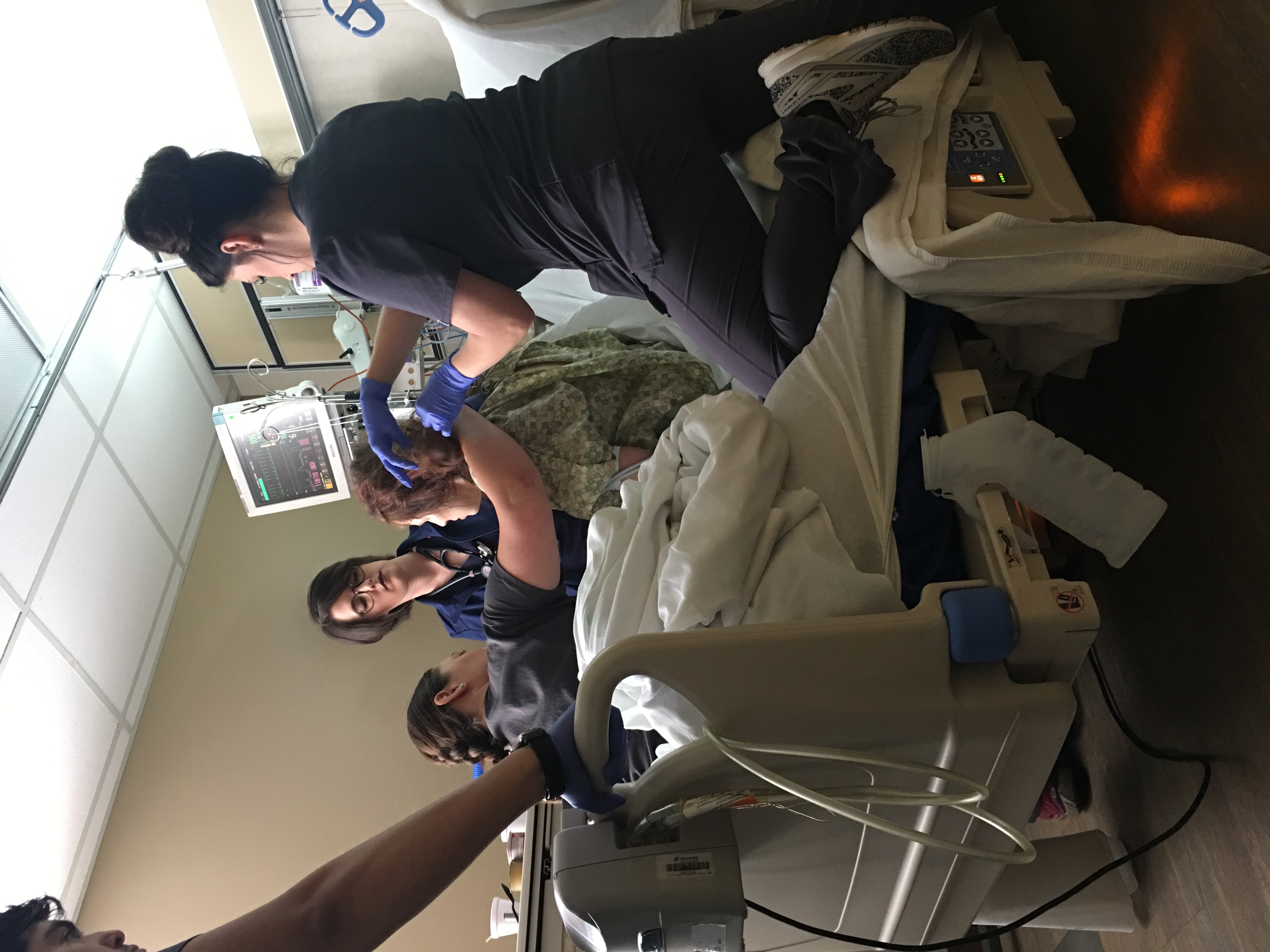

Strength can mean showing up to another appointment when you are tired of appointments. It can mean explaining your condition again because someone does not understand. It can mean admitting you are scared. It can mean resting instead of pretending everything is fine.
It can also mean celebrating things others might overlook:
A stable scan
A day without pain
A doctor who listens
A friend who remembers
A morning that feels ordinary in the best way
Ordinary can be beautiful when health has not always felt guaranteed.
Hydrocephalus has taught me that strength is not always loud. Sometimes it is quiet, steady, and deeply personal.
Hydrocephalus means needing community
No one should have to face hydrocephalus alone.
Community matters because it reduces isolation. It helps people feel seen by others who understand the fear of waiting, the relief of good news, and the frustration of symptoms that are hard to explain.
Community can include family, friends, doctors, nurses, therapists, teachers, caregivers, and other people living with hydrocephalus. Each person may play a different role. Some offer medical care. Some offer rides. Some offer patience. Some simply sit beside you and do not try to fix everything.
That kind of support matters.
World Hydrocephalus Day gives people a reason to speak openly. It creates space for stories that may not be heard often enough. It reminds the wider world that hydrocephalus is not rare to the people living with it. It is daily life.
Hydrocephalus means being more than a diagnosis
A diagnosis can explain part of a person’s story, but it should never be mistaken for the whole story.
Hydrocephalus may affect how someone plans, travels, studies, works, or manages energy. It may bring limitations. It may bring surgeries or ongoing care. It may shape identity in deep ways.
But a person with hydrocephalus is still a person first.
They have favorite songs, inside jokes, goals, talents, worries, and dreams. They are not a medical chart. They are not a worst-case scenario. They are not defined only by what has happened to their brain or body.
This matters because awareness should never become pity. The goal is understanding. The goal is respect. The goal is better care, better conversations, and more room for people to tell the truth about their lives.
Hydrocephalus means hope with open eyes
Hope does not mean pretending hydrocephalus is easy. It does not mean ignoring pain, risk, or fear.
To me, hope means believing that a meaningful life is still possible, even when life includes uncertainty. It means trusting the value of research, care, early action, and support. It means knowing that hard days can exist beside joy.
Hope also means making room for every kind of story. Some people have had many surgeries. Some have had few. Some live with visible effects. Some do not. Some were diagnosed as babies. Others learned later in life. Every story deserves dignity.

On this World Hydrocephalus Day, what hydrocephalus means to me is awareness, courage, community, and truth.
It means listening to the body. It means asking for help. It means honoring the people who live with this condition every day, including those whose struggles are not visible.
Most of all, it means remembering this: hydrocephalus may be part of the story, but it is never the whole story.
Please feel free to share the social media images below, provided by the Hydrocephalus Association.
If you have Hydrocephalus, caretaker/family member to someone who has Hydrocephalus, please share your/their story.
With love,
CT
Comments